Downloadable Book
 Downloadable Book
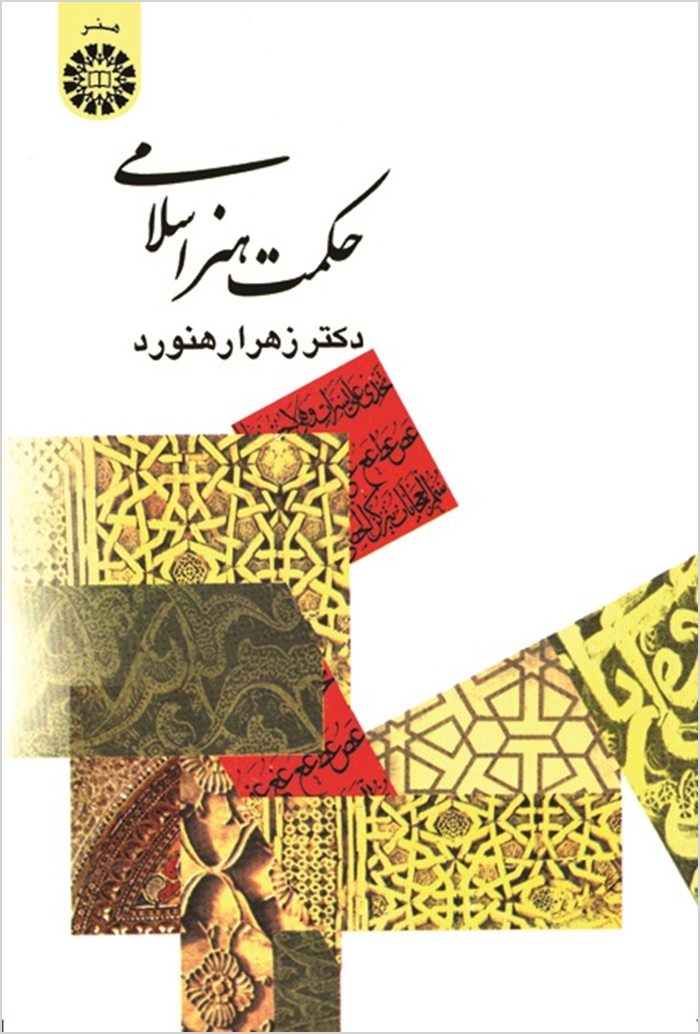
Ḥikmat-i hunar-i Islāmī
حکمت هنر اسلامی
Price range: £14.88 through £39.50
This work explores the philosophical and mystical foundations (ḥikmat) that underlie Islamic art, distinguishing such wisdom from the philosophy of art and seeking the intellectual and spiritual roots from which the tradition has drawn its enduring vitality. Beginning with the meanings of ḥikmat as a body of demonstrative and intuitive knowledge, the author traces the epistemology of perception, the relationship between knowledge and beauty, and the interplay of reason and love as wellsprings of artistic creation. The study examines how Islamic art, rooted in the Qurʼān and prophetic grace, gives sensible form to inner spiritual realities through abstraction, symbolism, and a profound attention to order. Attention is given to the imagination as the workshop of creativity, the bond between faith, knowledge and beauty, and the distinctive character of Islamic aesthetics, with closing reflections on calligraphy, ornament, and the sacred dimension of mosque architecture.
این کتاب به کاوش در مبانی فلسفی و عرفانی، یعنی «حکمت»، میپردازد که در ژرفای هنر اسلامی نهفته است و آن را از فلسفه هنر متمایز میسازد و در پی یافتن سرچشمههای فکری و معنوی است که این هنر از آنها طراوت و ماندگاری خود را یافته است. نویسنده با تبیین معانی حکمت همچون مجموعهای از معرفتهای استدلالی و شهودی، به منظرشناسی معرفت، معیار و معنای حقیقت، پنجرههای معرفت، و نسبت میان معرفت وصولی و وصالی میپردازد و کارزار عقل و عشق را به عنوان خاستگاه آفرینش هنری بررسی میکند. در ادامه نشان داده میشود که هنر اسلامی، برخاسته از قرآن و برکت نبوی، چگونه حقایق درونی الهام اسلامی را در جهان صورتهای محسوس از راه انتزاع، نمادپردازی و توجه ژرف به نظم متبلور میسازد. خویشاوندی خیال و خلاقیت، پیوند ایمان و معرفت و زیبایی، نسبت زیبایی و تفکر، منازل زیبایی، و ویژگیهای زیباییشناسی اسلامی در برابر زیباییشناسی مدرنیته نیز کاویده شده و سرانجام با تأملاتی درباره خوشنویسی، تزیینات و شأن قدسی معماری مسجد به فرجام میرسد.
Related products
Book
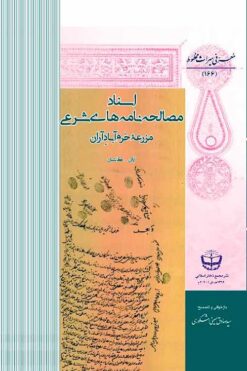
Asnād-i muṣālaḥahʹnāmahʹhā-yi sharʻī-i mazraʻah-yi Khurramʹābād-i Ārān (Ārān-Kāshān)