Downloadable Book
 Downloadable Book
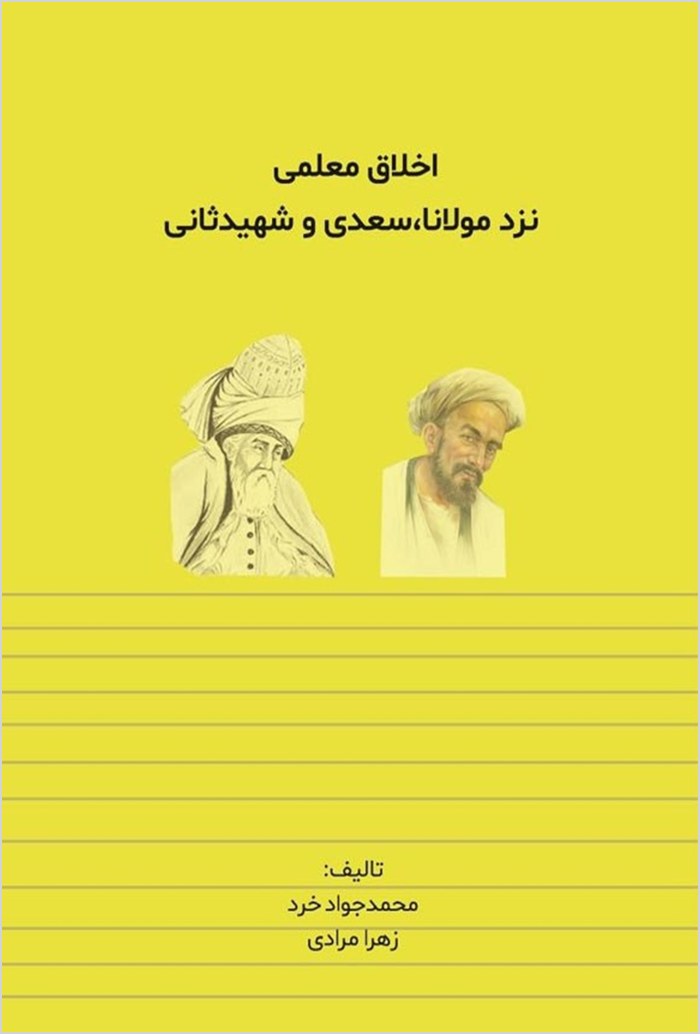
Akhlāq-i muʻallimī nazd-i Mawlānā, Saʻdī va Shahīd-i S̱ānī
اخلاق معلمی نزد مولانا، سعدی و شهید ثانی
Price range: £8.93 through £26.00
This study explores the ethics of teaching through the lens of three towering figures of Persian and Islamic thought: Mawlavī (Jalāl al-Dīn Muḥammad), Saʻdī, and Shahīd-i S̱ānī (Zayn al-Dīn ibn ʻAlī). Drawing on the Mas̱navī, the Būstān and Gulistān, and the juristic and ethical writings of Shahīd-i S̱ānī, the authors examine what distinguishes a virtuous educator. They consider the decisive role of intention in giving moral worth to instruction, the place of motivation and aspiration in learning, and the influence of insight and a far-sighted outlook upon character formation. Successive chapters treat joy and its effect on teaching, self-accounting, the measured correction of faults, the encouragement of virtue, companionship and its formative power, and the recognition of individual differences among pupils. Through anecdote, parable, and verse, the work offers a humane vision of pedagogy rooted in classical wisdom yet attentive to the enduring concerns of the modern classroom.
این پژوهش، اخلاق معلمی را در آینهٔ اندیشهٔ سه چهرهٔ بزرگ فرهنگ ایرانی و اسلامی بازمیخواند: مولانا، سعدی و شهید ثانی. نویسندگان با تکیه بر مثنوی معنوی، بوستان و گلستان و نوشتههای اخلاقی و فقهی شهید ثانی میکوشند نشان دهند که معلّم شایسته را چه ویژگیهایی از دیگران جدا میسازد و چه آفاتی در کمین کار اوست. نخست از نقش نیّت در ارزشبخشی به کار آموزش سخن میرود؛ آنگاه جایگاه انگیزه و طلب در یادگیری و نیز تأثیر بینش و غایتنگری و آخرتنگری بر تربیت آدمی بررسی میشود. فصلهای پسین به شادی و اثر آن در آموزش، بازخواست خویشتن، عکسالعمل سنجیده در برابر بدی دیگران، شیوههای نرم و تدریجی در حذف بدیها و ترغیب به نیکی، نقش مصاحبت و همنشینی، تأثیر لقمه و سرانجام پذیرش تفاوتهای فردی میان دانشآموزان میپردازند. اثر با بهرهگیری از قصه و داستان، تمثیل و شعر، تصویری انسانی و دلنشین از تعلیم و تربیت پیش مینهد که ریشه در حکمت کهن دارد و در عین حال به دغدغههای همیشگی کلاس درس امروز نیز با ظرافت نظر میکند.
Related products