Downloadable Book
 Downloadable Book
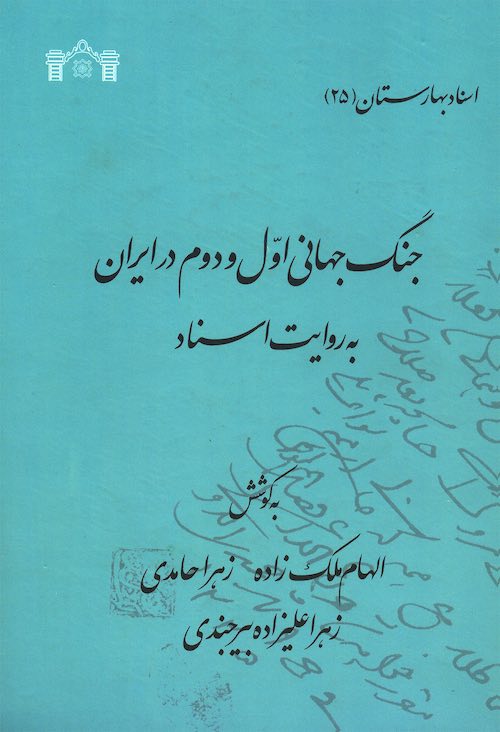
Jang-i Jahānī-i avval va duvvum dar Īrān bih rivāyat-i asnād
First and Second World War in Iran as Told by Documents
جنگ جهانی اول و دوم در ایران به روایت اسناد
Price range: £14.88 through £43.75
The book reexamines the events of the World Wars in Iran through archival documents, uncovering multifaceted aspects of great significance. This research utilizes records from the Islamic Consultative Assembly to present a documentary narrative of World War I in Iran. In this narrative, while revisiting petitions to the National Consultative Assembly, the impacts of foreign presence and interventions in the daily lives of the people are assessed. It's noteworthy that before delving into these documents, there is an introduction to the general concepts of war studies, Iran’s strategic position, and the economic impacts of the World War.
The petitions sent to the Assembly related to the World War and the consequences of the Allies' presence are categorized in various aspects as follows: authors of the petitions, subjects of complaint, and the addressed party. Each of these categories is further subdivided, for example, the first category concerning the authors of the letters can be classified based on social class and status. Some letters were written by clergy and religious leaders, while others originated from members of unions and various professional and political organizations.
The documents in this collection, including petitions, complaints, and official correspondences between different governmental bodies dealing with the war's repercussions, contain detailed and intricate information about the negative and significant presence of allied countries, particularly Britain and the Soviet Union. These documents, gathered from various cities in Iran or as responses and reports to complainants by the Assembly, highlight the extensive nature of this influence.
A notable point in this collection is the significant gap in documents related to World War I, naturally resulting from the dissolution and closure of the National Consultative Assembly during that period. Consequently, the bulk of the documents pertain to the period of World War II and even the years following the end of the war.
The book concludes with indices that include terms, names, places, professions, ranks, nations and sects, books and publications, organizations and institutions, and miscellaneous items.
بازخوانی رخدادهای جنگهای جهانی در ایران از خلال اسناد آرشیوی، از جنبههای گوناگون در خور توجه و حائز اهمیت است. پژوهش حاضر با اتکای به اسناد مجلس شورای اسلامی، روایتی اسنادی از جنگ جهانی اول در ایران را ارائه میکند. در این روایت اسنادی ضمن بازخوانی عریضههای مردم به مجلس شورای ملی، تأثیرات حضور بیگانگان و مداخلات آنها در زندگی روزمره مردم مورد ارزیابی قرار گرفته است. شایان ذکر است پیش از بررسی اسناد مذکور کلیاتی در باب جنگ شناسی، موقعیت استراتزیکی ایران و تأثیرات اقتصادی جنگ جهانی آمده است.
عریضههای ارسالی به مجلس که با جنگ جهانی و پیامدهای حضور متفقین ارتباط دارد را میتوان از جنبههای گوناگون به شرح زیر طبقه بندی کرد:
- نویسندگان عریضهها
- مورد شکایت
- طرف خطاب
هر یک از موارد فوق نیز قابل دسته بندی است برای نمونه دسته اول یعنی نویسندگان نامهها را می توان به لحاظ طبقه و پایگاه اجتماعی در دستههای جدا جای داد. برخی از نویسندگان نامهها از سوی وعاظ و روحانیون نگاشته شده است و تعدادی هم مربوط به اعضای اتحادیهها و برخی تشکلات صنفی و حزبی میباشد.
اسناد مجموعه حاضر اعم از عریضهها، شکایات، مکاتبات دولتی میان دستگاههای مختلف درگیر تبعات جنگ و … دارای نکات دقیق و ظریفی از روند حضور منفی و موثر دول متفق از جمله انگلستان و شوروی است که در قالب مجموعهای از اسناد واصله از شهرهای مختلف ایران و یا پاسخ و گزارشهای مجلس به شاکیان و متظلمین بوده است.
نکته بارز در این مجموعه خلأ معنادار اسناد مربوط به جنگ جهانی اول است که طبیعتاً ناشی از دوران فترت مجلس شورای ملی پس از انحلال و تعطیلی آن رخ داده است. از این روی بیشترین حجم اسناد مذکور به دوران مربوط به جنگ جهانی دوم و حتی سالهای پس از پایان جنگ باز میگردد.
در پایان کتاب نمایهها شامل اصطلاحات، نامها، جایها، پیشهها، مناصب، ملل و نحل و خاندانها، کتابها و نشریات، سازمان و نهادها و گوناگون آمده است.
 Asnād-i tijārī-i advār-i avval tā panjum-i Majlis-i Shūrā-yi Millī (1285-1304 Sh)
 Kalīmiyān va Arāminah dar asnād-i Majlis-i Shūrā-yi Millī (Dawrahʹhā-yi duvum tā panjum)
 Guzīdah-ʼi asnād-i anjumanʹhā-yi iyālatī va vilāyatī
 Asnād-i Khurramʹābād
 Nāmahʹhā-yi mashrūṭah; Daftar-i duvvum (Jumādī al-Awlá tā Shavvāl 1328Q.)
 Asnād-i rūznāmahʹnigārān va maṭbūʻāt bih inz̤imām-i: asnād-i chāp
 Asnād-i Yazd dar dawrah-yi Mashrūṭīyat (Advār-i duvvum tā panjum-i Majlis-i Shūrā-yi Millī)
 Asnād-i Astarʹābād va Dasht-i Gurgān dar dawrah-ʼi Mashrūṭīyat
 Asnād-i rūḥānīyat (Dawrah-i haftum tā nuhum-i Majlis-i Shūrā-yi Millī)
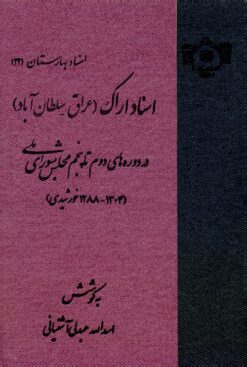 Asnād-i Arāk (ʻIrāq-Sulṭānʹābād) dar dawrahʹhā-yi duvvum tā panjum-i Majlis-i Shūrā-yi Millī (1288-1304 khūrshīdī)
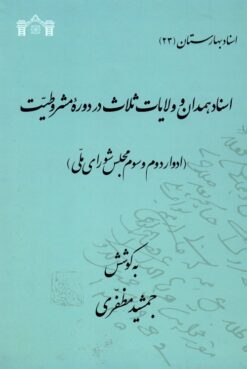 Asnād-i Hamadān va Vilāyāt-i s̲alās̲ dar dawrah-i Mashrūṭīyat (Advār-i duvvum va sivvum-i Majlis-i Shūrā-yi Millī)
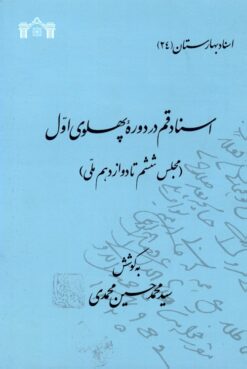 Asnād-i Qum dar dawrah-yi Pahlavī-i Avval (Majlis-i shishum tā davāzdahum-i Millī)
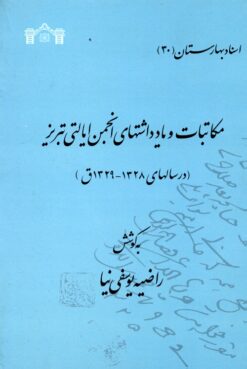 Mukātabāt va yādʹdāshtʹhā-yi Anjuman-i Iyālatī-i Tabrīz (Dar sālʹhā-yi 1328-1329Q)
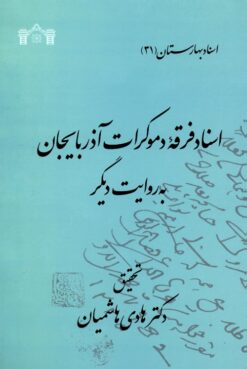 Asnād-i Firqah-yi Dimūkrāt-i Āz̲arbāyjān bih ravāyat-i dīgar
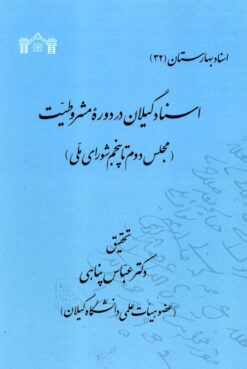 Asnād-i Gīlān dar dawrah-yi Mashrūṭīyat (Majlis-i duvvum tā panjum-i Shūrā-yi Millī)
Related products