Downloadable Book
 Downloadable Book
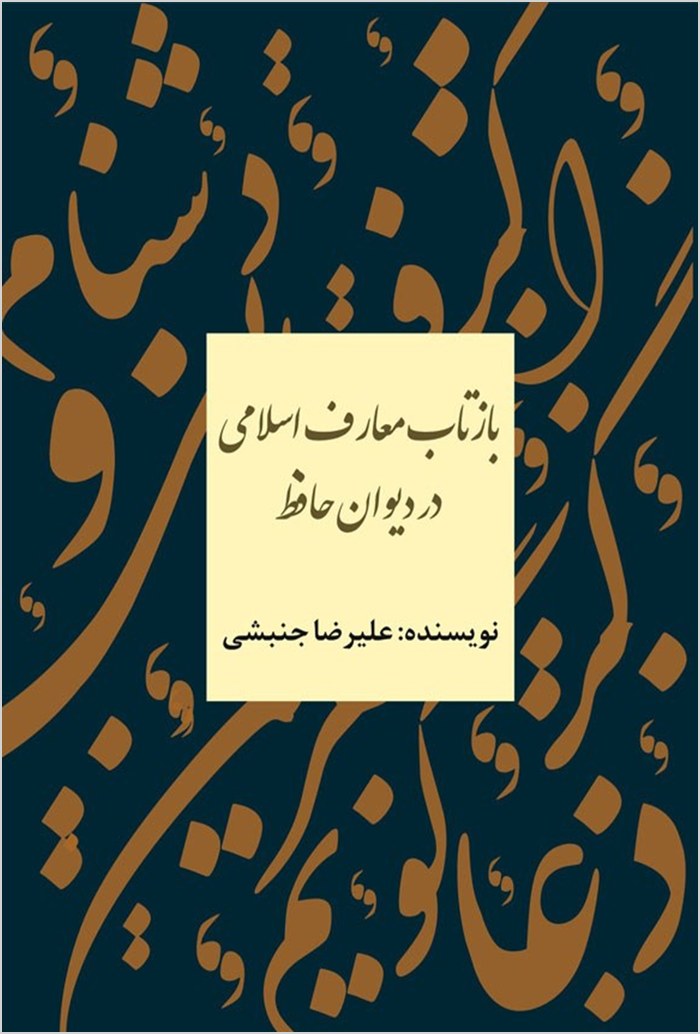
Bāztāb-i maʻārif-i Islāmī dar Dīvān-i Ḥāfiẓ
بازتاب معارف اسلامی در دیوان حافظ
Price range: £11.48 through £32.00
This critical study examines how the poetry of Ḥāfiẓ Shīrāzī, the celebrated fourteenth-century Persian lyric poet, reflects and reworks the core teachings and values of Islam. Moving verse by verse through the Dīvān, the author traces the presence of Qurʼānic allusion, prophetic tradition, and Sufi ethical thought beneath the poet's imagery of wine, the beloved, and the tavern, arguing that these familiar tropes often carry deeper devotional meaning. Themes explored include divine love, repentance, sincerity, and the tension between outward piety and inward faith running throughout Ḥāfiẓ's ghazals. The study situates these readings within the broader tradition of Persian mystical poetry, showing how Ḥāfiẓ absorbed Islamic learning into a poetic idiom of extraordinary subtlety. The book offers a close, text-based approach to a poet whose verses continue to shape religious and literary sensibility across the Persian-speaking world.
این پژوهش انتقادی نشان میدهد که چگونه اشعار حافظ شیرازی، غزلسرای نامدار قرن هشتم هجری، بازتابدهنده و بازآفرینندۀ آموزهها و ارزشهای بنیادین اسلامی است. نویسنده با مروری بیتبهبیت بر دیوان، ردپای اشارات قرآنی، احادیث نبوی و اندیشههای اخلاقی صوفیانه را در پس تصاویر آشنای می، معشوق و میخانه پی میگیرد و نشان میدهد که این استعارههای مألوف، اغلب معنایی عمیقتر و عبادی دارند. عشق الهی، توبه، صداقت، فروتنی در برابر قدسی و کشمکش میان تقوای ظاهری و ایمان باطنی از مضامینی است که در سراسر غزلیات حافظ پیگیری میشود. این خوانشها در بستر گستردهتر سنت شعر عرفانی فارسی جای میگیرند و نشان میدهند که حافظ چگونه دانش دینی خود را در قالبی شاعرانه و پرظرافت درآمیخته است. این کتاب با رویکردی متنمحور و دقیق، برای دانشجویان و دوستداران ادب کلاسیک فارسی نوشته شده و راهی روشن برای درک لایههای دینی نهفته در شعر حافظ میگشاید و نشان میدهد که چگونه شعر و اندیشهی دینی در سنت ادبی فارسی درهمتنیدهاند و یکدیگر را میپرورانند.
Related products